

If your dog’s breath could clear a room, you’re not alone. Dog bad breath, which is technically called halitosis, is one of the most common concerns pet owners bring up during veterinary visits. While it’s easy to assume that bad dog breath is just a normal part of pet ownership, persistent or severe bad breath in dogs is often a sign of an underlying health problem that deserves attention. Here’s a closer look at the most common causes of dog bad breath and what you can do about it.
Is Dog Bad Breath Normal?
A slight odor from your dog’s mouth isn’t unusual, especially after they’ve eaten or chewed on something. But truly foul, persistent, or unusual-smelling breath is not normal, and it shouldn’t be dismissed as just “dog breath.” Bad breath in dogs is most often a signal that something is happening in their mouth or elsewhere in their body that needs a veterinarian’s attention. Identifying and treating the root cause is the only way to truly resolve the problem.
The Most Common Causes of Bad Breath in Dogs
Dog bad breath can stem from several different sources. Some are localized to the mouth, while others point to systemic health issues. Here’s what every dog owner should know.
Dental Disease and Periodontal Disease
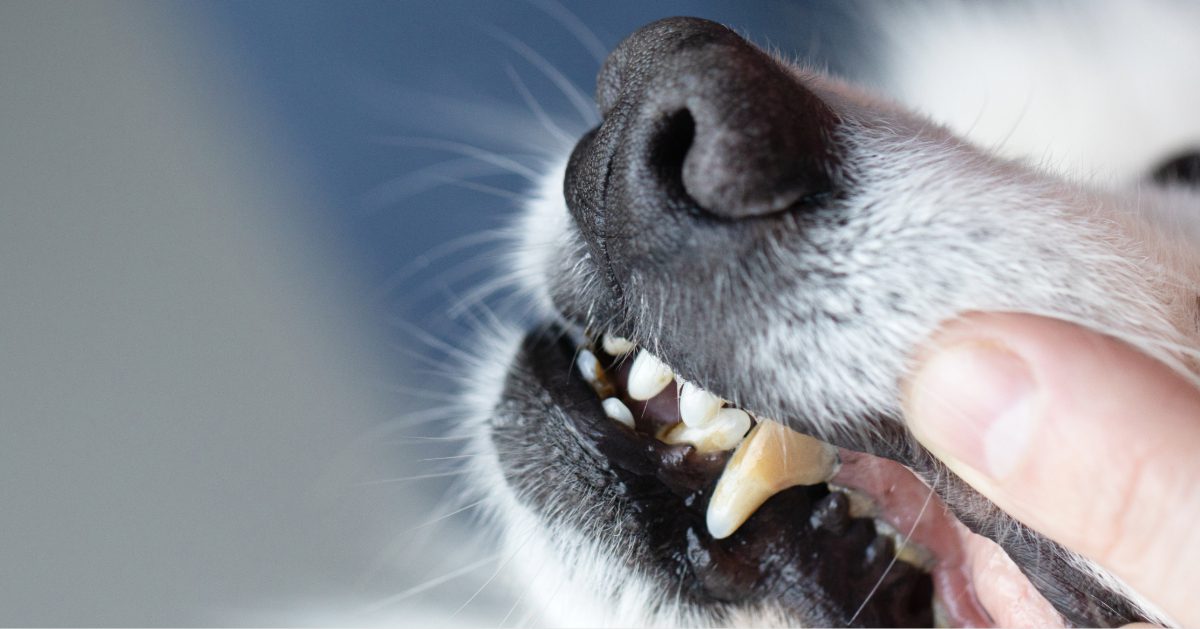
By far the most common cause of bad breath in dogs is dental disease. Periodontal disease, which includes gingivitis (gum inflammation) and periodontitis (infection of the structures supporting the teeth), affects an estimated 80% of dogs over the age of three. As plaque and tartar build up on the teeth, bacteria thrive and produce sulfur compounds that create a distinctly foul odor. Left untreated, dental disease leads to tooth loss, bone loss in the jaw, and chronic pain. If your dog has bad breath alongside yellow-brown tartar buildup on their teeth, red or swollen gums, or difficulty chewing, dental disease is the likely culprit.
Tooth Abscesses and Oral Infections
A tooth abscess, or an infection at the root of a tooth, can produce a particularly strong and unpleasant odor. Abscesses are painful and can go undetected for a long time because dogs are experts at hiding discomfort. Other signs of a dental abscess include facial swelling, reluctance to eat hard food, pawing at the mouth, and sneezing (due to the proximity of upper tooth roots to the nasal cavity). A thorough dental exam with dental X-rays is needed to diagnose and treat an abscess.
Oral Tumors or Foreign Objects
Growths in the mouth (whether benign or malignant) can trap bacteria and cause bad breath. Similarly, a small piece of food, plant material, or other foreign object lodged between the teeth or in the gum tissue can rot and create a strong odor. Regular visual checks of your dog’s mouth and routine veterinary dental exams can help catch these issues early.
Kidney Disease
If your dog’s breath has a distinctly ammonia-like or chemical smell, sometimes described as smelling like urine, this can be a sign of kidney disease. When the kidneys aren’t functioning properly, waste products that should be filtered out of the bloodstream accumulate and are exhaled through the breath. Kidney disease is a serious, progressive condition that requires veterinary diagnosis and management. Other signs to watch for include increased thirst and urination, weight loss, and decreased appetite.
Diabetes
A sweet, fruity, or acetone-like smell on your dog’s breath can be a warning sign of diabetes mellitus or diabetic ketoacidosis, which is a serious complication of uncontrolled diabetes. If your dog’s breath has taken on a fruity or unusual sweet quality, especially alongside increased thirst, frequent urination, and weight loss, contact your veterinarian promptly. Early intervention makes a significant difference in managing diabetes in dogs.
Gastrointestinal Issues
In some cases, bad breath in dogs can be related to digestive problems. Conditions like megaesophagus (enlargement of the esophagus), gastrointestinal obstruction, or acid reflux can contribute to unpleasant breath odors that originate from the digestive tract rather than the mouth itself. If your dog’s bad breath is accompanied by vomiting, regurgitation, or changes in eating behavior, a gastrointestinal evaluation may be needed.
How to Help a Dog With Bad Breath
The right approach to helping your dog’s bad breath depends entirely on what’s causing it. There is no one-size-fits-all solution, and attempting to mask the smell without addressing the underlying issue won’t benefit your pet’s health.
Start With a Veterinary Dental Exam
The most important step you can take for a dog with bad breath is scheduling a professional dental exam with your veterinarian. Your vet will assess the health of your dog’s teeth, gums, and oral tissues, and may recommend a professional dog teeth cleaning under anesthesia to remove tartar buildup and address early periodontal disease. Regular dental cleanings are a cornerstone of canine oral health.
Rule Out Systemic Disease
If your vet suspects that your dog’s bad breath has a non-dental cause such as kidney disease or diabetes they will recommend bloodwork, urinalysis, or other diagnostic tests to get a clearer picture of your dog’s overall health. Early detection of systemic disease leads to better outcomes.
When Your Dog’s Breath Is Trying to Tell You Something
Dog bad breath is more than a nuisance, it’s often your pet’s way of signaling that something needs attention. Whether the cause is dental disease, a systemic condition, or something in between, your veterinarian is your best resource for diagnosis and treatment. If your dog’s breath has you concerned, call All Kinds Veterinary Hospital at (301) 994-9919 or use the online form to book an appointment to get to the bottom of what’s going on. Your dog will thank you for it.
Recent Posts
About Us
At All Kinds Veterinary Hospital, we believe in more than just keeping pets healthy—we’re dedicated to being your lifelong partner in your companion’s care. From routine check-ups to unexpected concerns, we’re here to be your first call and your trusted resource.