
Birds are fascinating, vibrant companions and they’re also remarkably good at hiding when something is wrong. In the wild, showing signs of illness can make a bird a target for predators, so birds have evolved to mask weakness until they simply can’t anymore. This natural instinct means that by the time many bird owners notice their feathered friend isn’t feeling well, the bird’s condition may already be quite advanced. Regular visits to an avian vet are one of the most important investments you can make in your bird’s health. Here’s everything pet bird owners need to know about avian veterinary care at All Kinds Veterinary Hospital and why it matters so much.
What Is an Avian Vet?
An avian vet is a veterinarian with specialized training, experience, and expertise in the care of birds. While any licensed veterinarian has some knowledge of birds, avian vets have dedicated significant time to understanding avian anatomy, physiology, diseases, diagnostics, and treatment. Birds have unique biological systems that differ substantially from dogs and cats, and diagnosing illness in birds requires specialized knowledge and tools. If you have a pet bird, whether a small parakeet or a large macaw, our avian veterinarians are experienced in providing species-appropriate care for various kinds of birds.
What Types of Birds Need Avian Vet Care?
Avian vet care is appropriate for all species of pet birds, including parakeets (budgerigars), cockatiels, lovebirds, conures, African grey parrots, Amazon parrots, macaws, cockatoos, finches, canaries, and more. Even birds that appear to be in perfect health benefit from regular avian veterinary checkups, just as dogs and cats do.
Why Do Birds Need Regular Vet Visits?
The single most important reason to schedule regular avian vet visits is early disease detection. Because birds conceal illness so effectively, many conditions are only discovered during a routine wellness examination before the owner ever noticed any symptoms at all.
Birds Age Faster Than You Might Expect
Many pet birds have long lifespans as some parrots can live for decades. But birds can also develop age-related conditions and chronic diseases that progress quietly over time. Regular wellness exams allow your avian vet to establish baselines for your bird’s weight, vital signs, and lab values. These baselines become invaluable reference points when something changes down the road.
Annual Exams Catch Problems Early
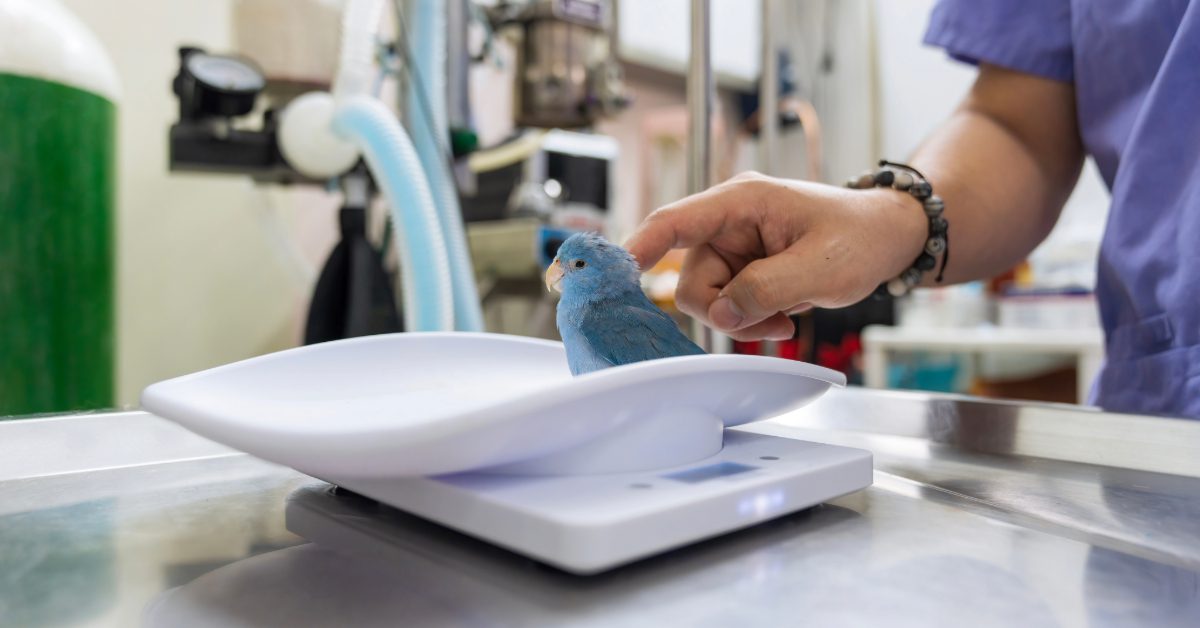
Routine avian wellness exams typically include a physical assessment, weight check, evaluation of feather quality and condition, beak and nail assessment, and in many cases, baseline bloodwork. Catching conditions like liver disease, kidney disease, reproductive problems, nutritional deficiencies, and infections early (when they’re often more manageable) is far better than treating advanced disease.
Signs That Your Bird Needs to See an Avian Vet Now
While routine wellness visits are vital, there are times when your bird needs to be seen right away. Because birds hide illness so well, any noticeable change in behavior or physical appearance should be taken seriously.
Physical Warning Signs in Birds
Take your bird to an avian vet promptly if you notice:
- Fluffed feathers (especially when the bird is not cold or sleepy)
- Labored breathing or tail bobbing with each breath
- Discharge from the eyes or nostrils
- Changes in droppings (color, consistency, or volume)
- Swelling anywhere on the body
- Overgrown or discolored beak
- Feather loss or abnormal feather appearance
- Lumps and bumps under the skin or feathers
Behavioral Warning Signs in Birds
Changes in behavior can be just as telling as physical signs. Watch for:
- Significant reduction in vocalization in a typically vocal bird
- Loss of appetite or decreased food and water consumption
- Unusual stillness or lethargy
- Sitting on the bottom of the cage (a serious warning sign)
- Changes in balance or coordination
Common Health Issues in Pet Birds
Birds are susceptible to a wide range of health conditions, many of which are manageable with prompt diagnosis and appropriate care.
Psittacosis (Parrot Fever)
Psittacosis is a bacterial infection caused by Chlamydia psittaci that can affect many species of birds. It causes respiratory symptoms, lethargy, and changes in droppings, and is notable because it can be transmitted to humans. Regular testing and good hygiene practices are important, particularly in households with multiple birds.
Nutritional Deficiencies
A seed-only diet is one of the most common causes of health problems in pet birds. Seeds are high in fat and low in many essential nutrients. Nutritional deficiencies, particularly vitamin A deficiency, can lead to immune suppression, respiratory problems, and reproductive issues. An avian vet can help you design an appropriate diet for your bird’s species, age, and health status.
Respiratory Infections
Birds are vulnerable to a range of respiratory infections caused by bacteria, viruses, fungi (including Aspergillus), and parasites. Respiratory problems in birds can progress rapidly and require prompt veterinary diagnosis and treatment.
Feather Destructive Behavior
Feather plucking or feather destructive behavior in birds can have physical or psychological causes, including infections, skin conditions, nutritional deficiencies, hormonal issues, boredom, or stress. A thorough avian veterinary evaluation is essential for understanding and addressing this complex condition.
How to Find a Good Avian Vet
Not every veterinary practice has experience with birds. When looking for an avian vet, ask whether the practice sees birds regularly, whether the veterinarian has specific training or certification in avian medicine, and whether they have the equipment to perform avian diagnostics, such as blood panels sized for small patients and appropriate imaging.
Your Bird Deserves Specialized, Compassionate Care
Your bird is a unique and wonderful companion, and they rely entirely on you to recognize when something is wrong and get them the care they need. At All Kinds Veterinary Hospital, our team has experience with avian patients of all species and sizes. Whether your bird is due for a routine wellness exam or you’ve noticed something that concerns you, we’re here to help. Call us at (301) 994-9919 or use the online form to book an appointment today, because the best time to take your bird to the vet is before there’s a problem.
Recent Posts
About Us
At All Kinds Veterinary Hospital, we believe in more than just keeping pets healthy—we’re dedicated to being your lifelong partner in your companion’s care. From routine check-ups to unexpected concerns, we’re here to be your first call and your trusted resource.