

It’s a scene every cat owner knows too well: you hear that distinctive sound, and there’s your cat, hunched over and vomiting. While occasional cat vomiting can be completely normal, frequent or severe vomiting is a signal worth taking seriously. Cat vomiting has a wide range of causes from harmless hairballs to conditions that require prompt veterinary attention, and understanding the difference is key to keeping your cat healthy. This guide breaks down the most common reasons cats vomit, the warning signs that call for a vet visit, and what you should know about getting your cat the right care.
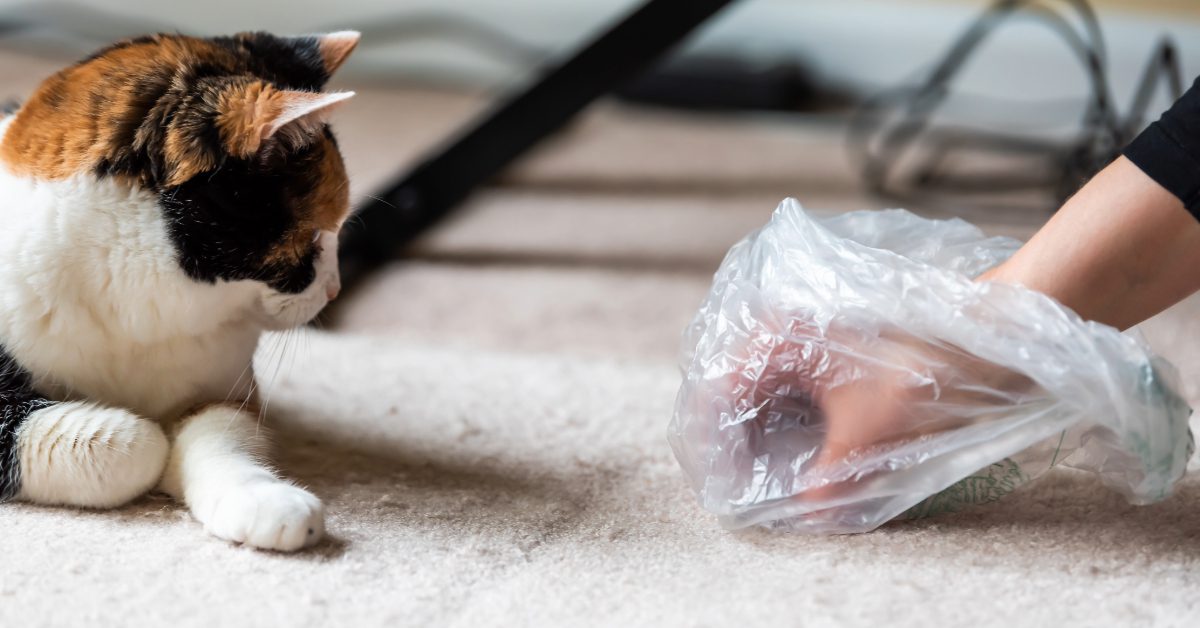
Is Cat Vomiting Normal?
Occasional vomiting in cats is relatively common, and not every instance means something is seriously wrong. Cats may vomit after eating too fast, after consuming something that doesn’t agree with them, or when they’re expelling a hairball. However, when vomiting becomes frequent, contains blood, or is accompanied by other symptoms like weight loss, lethargy, or changes in appetite, it’s time to consult your veterinarian. Chronic vomiting, even if your cat seems otherwise fine, should always be investigated, because it can indicate an underlying condition that will benefit from treatment.
What Causes Cat Vomiting?
Cat vomiting has many possible causes. Below are the most frequently diagnosed reasons cats vomit, from the mundane to the more serious.
Hairballs
Hairballs are perhaps the most iconic cause of cat vomiting, and they’re a natural consequence of your cat’s grooming habits. As cats groom themselves, they swallow loose fur. Most of this passes through the digestive system without issue, but sometimes it accumulates in the stomach and is expelled as a cylindrical mass of hair. An occasional hairball is typically not a health concern, but if your cat is struggling to bring up a hairball, vomiting frequently, or seems to be retching unproductively, a veterinary check is worthwhile.
Eating Too Fast
Some cats gobble their food so quickly that their stomach can’t keep up, leading to vomiting shortly after a meal. This type of vomiting typically produces undigested or barely digested food. If your cat is a fast eater and vomits right after meals, your vet may suggest a puzzle feeder or a slow feeder bowl to encourage a more measured eating pace.
Dietary Indiscretion
Cats are curious creatures, and they sometimes chew on or swallow things they shouldn’t such as houseplants, foreign objects, spoiled food, or a sudden change in their diet. Dietary indiscretion can cause acute vomiting that resolves once the offending substance has passed. However, if your cat has ingested a toxic plant or a foreign object, this becomes an urgent situation requiring immediate veterinary attention.
Food Sensitivities and Allergies
Some cats develop sensitivities or true allergies to ingredients in their food, including certain proteins, grains, or additives. Chronic vomiting in cats, particularly when it occurs consistently over weeks or months, can be a sign of a food sensitivity. Other signs include skin itching, diarrhea, and weight loss. Your veterinarian can help guide a dietary elimination trial to identify the problematic ingredient.
Inflammatory Bowel Disease (IBD)
Inflammatory bowel disease is one of the most common causes of chronic vomiting in adult and senior cats. IBD occurs when the lining of the gastrointestinal tract becomes chronically inflamed, disrupting normal digestion and nutrient absorption. Cats with IBD may vomit frequently, lose weight despite eating normally, and experience chronic diarrhea. Diagnosis typically requires bloodwork, imaging, and in some cases, intestinal biopsies. Management is possible with the right veterinary care.
Hyperthyroidism
Hyperthyroidism (an overactive thyroid gland) is the most common hormonal disorder in older cats. Among its many symptoms, vomiting is a frequent and often overlooked sign. Other symptoms of hyperthyroidism include weight loss despite an increased appetite, increased thirst and urination, hyperactivity, and a poor coat. Hyperthyroidism is diagnosed with a blood test and is very manageable with appropriate treatment.
Kidney Disease
Chronic kidney disease is another common condition in older cats that frequently causes vomiting. As kidney function declines, waste products accumulate in the bloodstream and cause nausea. Cats with kidney disease may vomit regularly, drink and urinate more than usual, lose weight, and become increasingly lethargic. Early detection through routine bloodwork is the best way to catch kidney disease before it becomes advanced.
Ingestion of Toxins or Foreign Objects
Certain household plants (such as lilies, which are highly toxic to cats), human medications, cleaning products, and small foreign objects can all trigger vomiting in cats. Lily ingestion in cats is a veterinary emergency and can cause acute kidney failure. If you suspect your cat has ingested a toxin or swallowed a foreign object, contact All Kinds Veterinary Hospital immediately.
When to Worry About a Vomiting Cat
While not every episode of cat vomiting calls for an emergency vet visit, certain patterns and accompanying symptoms are red flags that require prompt evaluation.
Signs That Cat Vomiting Warrants Immediate Vet Care
Call your veterinarian right away if your cat is: vomiting blood or material that looks like coffee grounds, vomiting repeatedly in a short period of time, showing signs of pain or extreme distress, lethargic or unresponsive after vomiting, unable to keep any food or water down, vomiting and also showing a distended abdomen, or if vomiting began after potential toxin ingestion.
Signs That Warrant a Soon Appointment
Schedule a veterinary visit within a day or two if your cat: vomits more than once or twice a week consistently, is losing weight alongside vomiting, has had changes in appetite or water intake, or seems off in ways that are hard to describe but feel wrong to you as an owner.
How Veterinarians Determine the Cause of Cat Vomiting
Diagnosing the cause of chronic cat vomiting often requires more than a physical exam. Your veterinarian may recommend bloodwork and urinalysis to assess organ function and look for metabolic causes, abdominal imaging (X-rays or ultrasound) to identify structural abnormalities or foreign objects, dietary trials to rule out food sensitivity, or intestinal biopsies if IBD or cancer is suspected. Getting an accurate diagnosis is essential for effective treatment.
Getting to the Bottom of Why Your Cat Is Vomiting
Vomiting is your cat’s way of telling you something isn’t quite right, even if the cause turns out to be straightforward. At All Kinds Vet, we take cat vomiting seriously and work to find answers, not just manage symptoms. If your cat has been vomiting more than you’d expect, or if you’ve noticed any of the warning signs above, please don’t delay. Call us at (301) 994-9919 or use the online form to book an appointment to get your cat the thorough, compassionate care they deserve.
Recent Posts
About Us
At All Kinds Veterinary Hospital, we believe in more than just keeping pets healthy—we’re dedicated to being your lifelong partner in your companion’s care. From routine check-ups to unexpected concerns, we’re here to be your first call and your trusted resource.