

Thanksgiving is around the corner, your dog is giving you those irresistible puppy eyes, and you’re wondering: can dogs eat turkey? Yes, plain, cooked turkey is generally safe for dogs and can even be a healthy source of lean protein. But before you slip your pup a piece from the holiday table, there are some important details every pet owner should know. From seasoned skin to turkey bones, not every part of this beloved bird is safe for your dog. Below, we’ll discuss everything you need to know to keep your furry family member happy and healthy during turkey season.
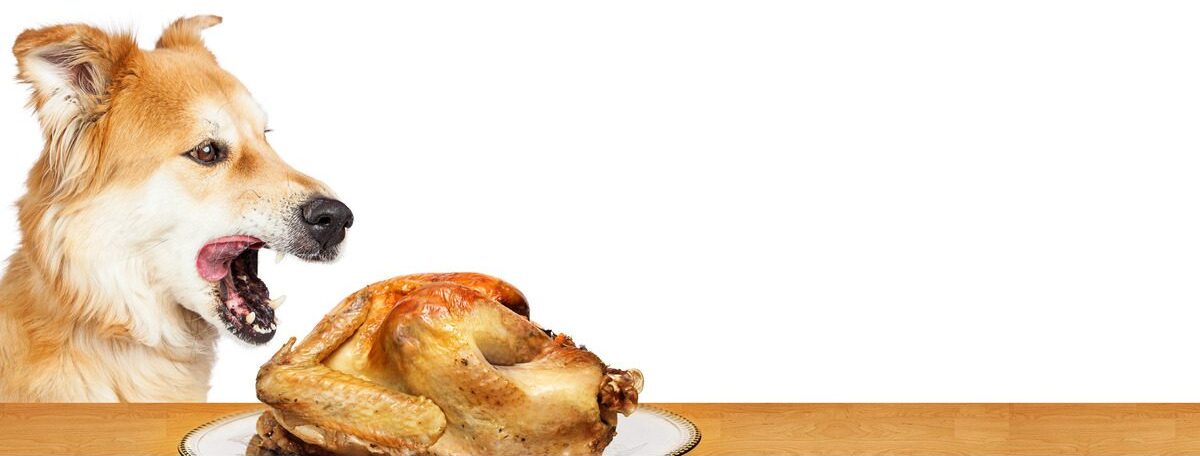
Is Turkey Safe for Dogs?
Yes, dogs can eat turkey, but there’s a catch. Plain, unseasoned, fully cooked turkey meat is safe for most dogs and is actually a common ingredient in many commercial dog foods. It provides a good source of protein, riboflavin, and phosphorus, which all support your dog’s overall health. However, the way turkey is typically prepared for human consumption introduces a number of risks for dogs. Seasonings, cooking oils, and additives that make turkey delicious for us can cause real problems for your pet.
What Kind of Turkey Can Dogs Eat?
When it comes to feeding turkey to your dog, plain is the name of the game. The best option is plain, boneless, skinless turkey breast that has been fully cooked without any added oils, butter, garlic, onion, or spices. White meat is lower in fat than dark meat, making it a lighter option for dogs prone to digestive upset or weight gain. If you want to share a little turkey with your pup, keep the portion small and make sure it comes from a part of the bird that hasn’t been seasoned or marinated.
What Parts of Turkey Are Dangerous for Dogs?
Not all parts of the turkey are created equal when it comes to your dog’s safety. Several components of a holiday turkey can pose serious health risks, and it’s important to know which ones to keep away from your pet.
Turkey Bones
One of the most dangerous things you can give a dog is a cooked turkey bone. Cooked bones of any kind become brittle and can splinter into sharp fragments when chewed. These splinters can cause choking, damage the mouth and throat, create internal lacerations in the digestive tract, and lead to life-threatening blockages. If you suspect your dog has eaten a turkey bone, contact your veterinarian immediately.
Turkey Skin
Turkey skin is high in fat and is almost always seasoned or cooked with oils and spices. Feeding your dog turkey skin can lead to digestive upset and, in more serious cases, can trigger pancreatitis, which is a painful and potentially dangerous inflammation of the pancreas. Even small amounts of fatty, seasoned turkey skin can cause vomiting, diarrhea, and discomfort in dogs.
Seasonings and Additives
Many common turkey seasonings are toxic to dogs. Garlic and onion (whether fresh, powdered, or cooked into the meat) can damage your dog’s red blood cells. Herbs like sage can cause digestive issues, and excess salt can lead to sodium ion poisoning. Stuffing cooked inside the turkey absorbs fats and seasonings and should never be shared with your dog.
Can Dogs Eat Turkey Lunch Meat or Deli Turkey?
Many dog owners wonder whether deli-style turkey or turkey lunch meat is a safe treat. The short answer is no. Processed turkey products like deli meat, turkey jerky, and cured turkey are typically high in sodium and may contain preservatives, spices, and additives that are harmful to dogs. Even turkey products that seem plain can contain significantly more salt than is safe for regular canine consumption. Stick to fresh, home-cooked turkey if you want to share this protein with your pet.
Can Dogs Eat Ground Turkey?
Plain cooked ground turkey can be a great protein option for dogs, as long as it’s prepared without any seasoning, garlic, onion, or added oils. Ground turkey is often recommended by veterinarians as part of a bland diet for dogs recovering from gastrointestinal issues. However, it’s important to ensure the ground turkey is fully cooked and that any fat has been drained. Never feed your dog raw ground turkey, as raw poultry can harbor harmful bacteria like Salmonella that can make both your pet and your family sick.
Signs of Turkey-Related Problems in Dogs
Even if your dog only eats a small amount of turkey with concerning ingredients, it’s important to monitor them closely afterward. Some dogs are more sensitive than others, and reactions can range from mild to severe.
Gastrointestinal Upset
The most common signs that turkey has upset your dog’s stomach include vomiting, diarrhea, loss of appetite, drooling, and lethargy. These symptoms can appear within a few hours of eating something that doesn’t agree with them. Mild symptoms may resolve on their own, but if your dog is vomiting repeatedly, seems to be in pain, or symptoms last more than 24 hours, it’s time to call your vet.
Signs of Pancreatitis
If your dog ate turkey skin or other high-fat turkey scraps, watch for signs of pancreatitis: hunched posture, severe vomiting, abdominal pain, decreased appetite, and lethargy. Pancreatitis can range from mild to life-threatening and always requires veterinary care. Contact the All Kinds Veterinary team right away if you notice these warning signs.
Bone Obstruction or Injury
If your dog managed to grab a turkey bone, watch for signs of choking, gagging, pawing at the mouth, drooling, difficulty swallowing, blood in the stool, vomiting, or a distended abdomen. These can all be signs of a bone fragment causing internal damage. This is a medical emergency. Call your veterinarian or an emergency animal hospital immediately.
How Much Turkey Can a Dog Eat?
If you’ve confirmed the turkey is plain, boneless, and skinless, you can share a small amount with your dog as an occasional treat. As a general guideline, treats and extras should make up no more than 10% of your dog’s daily caloric intake. The right amount will vary based on your dog’s size, weight, and individual health needs. A small bite or two is plenty for most dogs. Overfeeding even healthy turkey can cause weight gain and digestive disruption over time.
Talk to Your Vet Before Adding New Foods to Your Dog’s Diet
Every dog is different, and what works well for one pet may not be appropriate for another. Dogs with existing health conditions like pancreatitis, kidney disease, or food sensitivities may need to avoid turkey altogether. Before introducing any new food into your dog’s regular diet, it’s always a smart idea to have a conversation with your veterinarian. They can give you personalized guidance based on your dog’s unique health history and nutritional needs. If your dog has eaten something concerning or is showing unusual symptoms after consuming turkey, call (301) 994-9919 or use the online form to book an appointment today! At All Kinds Veterinary Hospital, we’re here to help keep your pet healthy year-round, from holiday treats to everyday wellness.
Recent Posts
About Us
At All Kinds Veterinary Hospital, we believe in more than just keeping pets healthy—we’re dedicated to being your lifelong partner in your companion’s care. From routine check-ups to unexpected concerns, we’re here to be your first call and your trusted resource.