
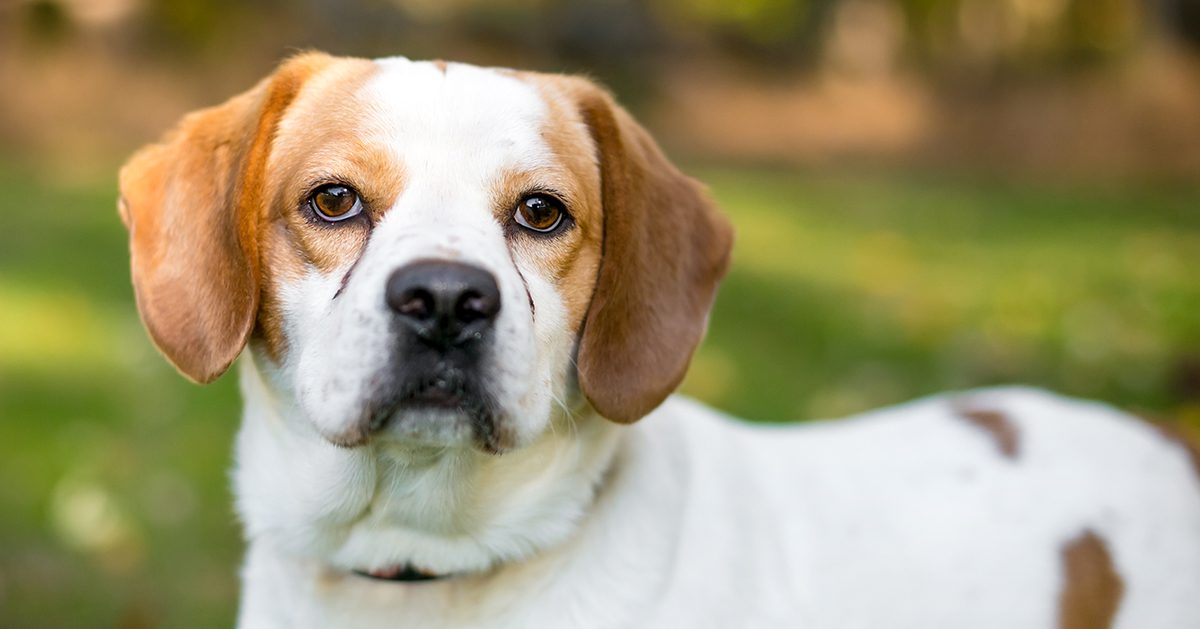
Dog watery eyes usually mean something is irritating the eye or interfering with normal tear drainage, with causes ranging from allergies and dust to infections, injuries, and blocked tear ducts. A little occasional tearing can be normal, but constant tearing, colored discharge, redness, or squinting calls for a veterinary exam.
Your dog’s eyes are delicate, and problems that start small can affect comfort and vision if they go unaddressed. Many eye conditions look alike at first glance, so telling a minor irritation apart from a corneal ulcer or glaucoma at home is nearly impossible. At All Kinds Veterinary Hospital in Callaway, MD, we regularly help pet parents figure out what’s behind their dog’s tearing and build a plan that brings real relief. Below, you’ll learn what watery eyes in dogs look like, why they happen, how veterinarians pinpoint the cause, which treatment options exist, and what recovery typically involves.
What Are Watery Eyes in Dogs?
Watery eyes, known medically as epiphora, describe tears that spill onto the face instead of draining the way they should.
How a Healthy Tear System Works
Tears come from glands near the eye, including a gland tucked inside the third eyelid. They coat the cornea, wash away debris, and deliver oxygen and nutrients to the eye’s surface. After doing their job, tears drain through tiny openings at the inner corner of each eye and travel down a narrow channel called the nasolacrimal duct into the nose. Dog watery eyes develop when the eye produces more tears than usual or when something blocks that drainage path.
When Tearing Becomes a Concern
A small amount of clear moisture after a windy walk or a long nap is common. Dog watery eyes deserve attention when tearing is constant or shows up alongside other changes. Breeds with prominent eyes or shallow eye sockets, such as Shih Tzus, Pugs, Maltese, and Poodles, often develop reddish-brown tear stains caused by pigments in their tears. The staining itself is mostly cosmetic, but it can point to an underlying issue. Signs that suggest dog watery eyes need prompt attention include:
- Yellow, green, or thick discharge
- Redness in the white of the eye or the eyelid lining
- Squinting, frequent blinking, or holding one eye closed
- Pawing at the face or rubbing it along furniture and carpet
- Cloudiness, a bluish haze, or a visible change on the eye’s surface
- Swelling of the eyelids or the tissue around the eye
What Causes Watery Eyes in Dogs?
Dog watery eyes can stem from dozens of conditions, though most fall into a few broad categories.
Irritants and Allergies
Pollen, dust, smoke, cleaning sprays, and grass seeds can all trigger extra tear production. Seasonal allergies are especially common during Southern Maryland’s spring and fall, and allergic dogs often show itchy skin or ears along with tearing. Small foreign objects such as plant material or sand can also lodge under the eyelid and cause sudden watering in one eye. When only one side is affected, a foreign body or injury moves higher on the list of suspects, while allergies more often cause dog watery eyes on both sides at once.
Eyelid and Eyelash Problems
Some dogs have eyelids that roll inward (entropion) or droop outward (ectropion). Others grow extra lashes along the eyelid margin or lashes that point toward the eye. In flat-faced breeds, facial folds and nasal hair can rub against the cornea. Each of these issues creates ongoing irritation that the eye tries to flush away with tears. Many of these structural problems are present from a young age, which explains why some puppies show dog watery eyes long before any infection develops.
Infections, Injuries, and Eye Disease
Medical conditions are another major source of tearing. Your veterinarian may consider:
- Conjunctivitis caused by bacteria, viruses, or allergies
- Corneal scratches and ulcers from play, branches, or cat claws
- Blocked or narrowed tear ducts
- Glaucoma, which raises pressure inside the eye
- Uveitis, an inflammation of the structures inside the eye
- Infected tooth roots in the upper jaw, which sit close to the eye
Some of these conditions, glaucoma in particular, are painful and can threaten vision within hours to days, so prompt evaluation makes a meaningful difference.
How Do Veterinarians Diagnose Watery Eyes in Dogs?
Finding the source of dog watery eyes starts with a thorough history and a careful look at every part of the eye.
History and Physical Exam
Your veterinarian will ask when the tearing started, whether it affects one eye or both, what any discharge looks like, and whether your dog has spent time in tall grass, around new cleaning products, or roughhousing with other pets. Under magnification, your doctor examines the eyelids, lashes, third eyelid, cornea, and the surrounding face. Details that seem minor to you, like a recent change in grooming or a new medication, can help narrow the list of possibilities.
Common Diagnostic Eye Tests
Several quick, low-stress tests reveal what the naked eye can’t. A Schirmer tear test uses a small paper strip to measure tear production. Fluorescein stain, an orange dye that glows under blue light, highlights scratches or ulcers on the cornea and can show whether tears drain properly into the nose. Tonometry measures pressure inside the eye to screen for glaucoma and uveitis. When discharge is present, a sample may be examined under a microscope or sent for culture. In some cases, your veterinarian flushes the tear ducts to check for blockages or recommends dental X-rays if a tooth problem is suspected. Complex or vision-threatening cases may be referred to a board-certified veterinary ophthalmologist for advanced care.
How Do Veterinarians Treat Watery Eyes in Dogs?
Treatment targets the underlying cause, so the right plan for dog watery eyes depends entirely on what the exam uncovers.
Prescription Medications
Bacterial infections often respond to antibiotic drops or ointments, while allergic conjunctivitis may call for anti-inflammatory medication or a broader allergy management plan. Dogs with glaucoma need medications that lower eye pressure, sometimes for life. Lubricating products can help when tear quality or quantity falls short. Your veterinarian selects each medication based on test results, because a product that helps one condition can harm another. Follow-up testing also shows whether a medication is working or whether the plan for your dog’s watery eyes needs adjusting.
Procedures and Surgery
Structural problems usually need a hands-on fix. Veterinarians can flush blocked tear ducts, remove foreign material, correct rolled eyelids surgically, remove abnormal lashes, and reposition a prolapsed third eyelid gland, often called cherry eye. If an infected tooth is the culprit, dental treatment resolves the tearing at its source.
Why Over-the-Counter Drops Can Backfire
Human eye drops, redness relievers, and leftover pet medications may seem like convenient shortcuts, but they can mask symptoms or make certain conditions worse. Steroid-containing drops, for example, can deepen a corneal ulcer. Our team at All Kinds Veterinary Hospital recommends scheduling an exam before using any product in your dog’s eyes. Call (301) 994-9919 if you notice new or worsening tearing.
What Recovery and Long-Term Management Look Like
Recovery from dog watery eyes is usually straightforward once the true cause has been identified. Most dogs feel more comfortable within days of starting the right treatment, though healing time varies by condition. A few habits support a smooth recovery:
- Give every dose of prescribed medication, even after the eye looks better
- Use a protective cone if your veterinarian recommends one to prevent rubbing
- Attend recheck appointments so the doctor can confirm healing
- Ask about trimming the hair around the eyes for breeds prone to irritation
- Report any return of tearing, redness, or squinting right away
Chronic conditions such as allergies, dry eye, and glaucoma often need ongoing monitoring, and regular wellness visits help catch changes early. Dogs with a history of dog watery eyes benefit from an eye check at every annual exam. If dog watery eyes have you worried, our team at All Kinds Veterinary Hospital in Callaway is equipped to help. Call (301) 994-9919 to schedule an eye exam for your dog.
Recent Posts
About Us
At All Kinds Veterinary Hospital, we believe in more than just keeping pets healthy—we’re dedicated to being your lifelong partner in your companion’s care. From routine check-ups to unexpected concerns, we’re here to be your first call and your trusted resource.