

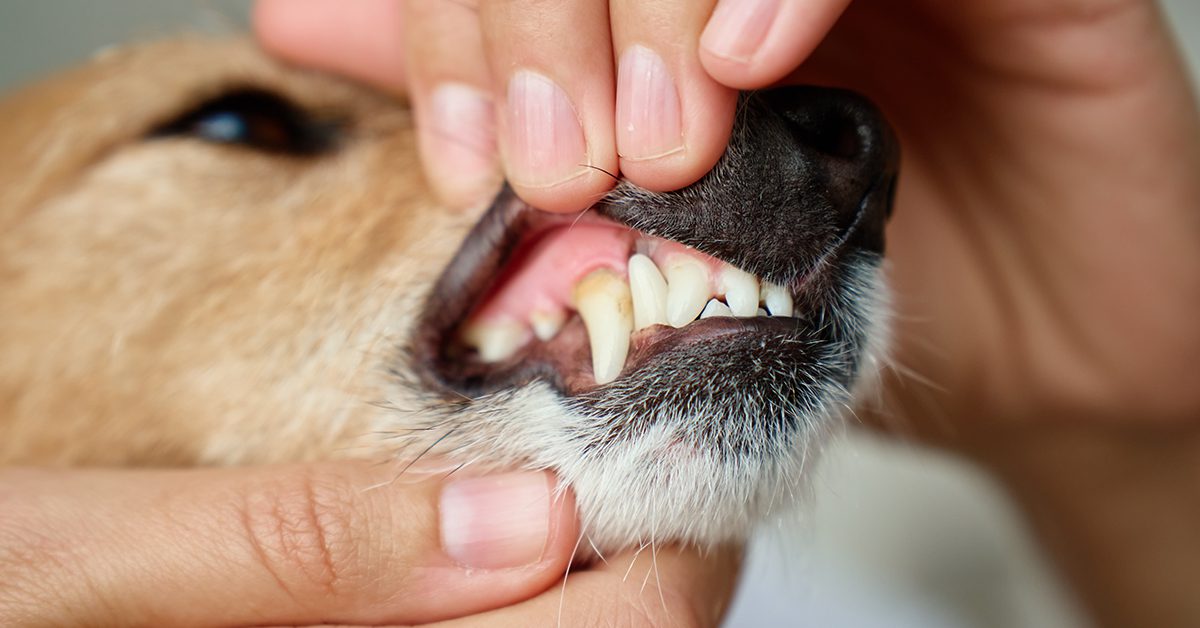
Pale gums in dogs usually signal that not enough oxygen-rich blood is reaching the tissues, most often because of anemia, blood loss, shock, or poor circulation. Healthy gums look bubblegum pink, so gums that appear pale pink, white, or gray warrant an immediate call to a veterinarian.
Gum color offers a quick window into what’s happening inside your dog’s body. When the gums lose their normal pink tone, the underlying problem can range from a slow, chronic illness to sudden internal bleeding that becomes life-threatening within hours. Because the cause isn’t visible from the outside, there’s no safe way to judge the severity at home. At All Kinds Veterinary Hospital in Callaway, MD, our team treats pale gums in dogs as an urgent concern and works quickly to find out why they’ve changed. This guide walks through the most common causes, the symptoms that call for emergency care, how veterinarians reach a diagnosis, what treatment may involve, and the steps that help lower your dog’s risk.
What Causes Pale Gums in Dogs?
Gum color depends on healthy red blood cells and good circulation, so anything that disrupts either one can turn the gums pale.
Healthy Gums vs. Pale Gums
Normal gums are moist and pink, and when you press lightly on them, the color returns within about two seconds. This is called capillary refill time. Some breeds, such as Chow Chows, have naturally dark or spotted gums, so checking the inner eyelids or other unpigmented areas can help. Knowing what your dog’s gums look like on a normal day makes pale gums in dogs much easier to spot.
Anemia and Blood Loss
Anemia, a shortage of red blood cells, is one of the most common reasons a dog’s gums lose their color. It can develop in three main ways: the body loses blood, destroys its own red blood cells, or fails to produce enough new ones. Common culprits include:
- Internal bleeding from trauma, such as being hit by a car
- Bleeding tumors, particularly hemangiosarcoma of the spleen
- Rat poison (anticoagulant rodenticide) that stops blood from clotting
- Immune-mediated hemolytic anemia, where the immune system attacks red blood cells
- Heavy flea, hookworm, or tick infestations, especially in puppies and small dogs
- Tick-borne illnesses such as ehrlichiosis, anaplasmosis, and babesiosis
- Bleeding stomach ulcers or chronic intestinal blood loss
- Chronic kidney disease or bone marrow disorders that slow red blood cell production
Shock and Circulation Problems
Even with a normal number of red blood cells, gums can turn pale when blood isn’t reaching them. Shock from severe injury, bloat (gastric dilatation-volvulus), serious infection, or a severe allergic reaction causes blood vessels in the gums to constrict as the body redirects blood to vital organs. Heart disease and certain toxins can reduce circulation in a similar way, which is why pale gums in dogs with a known heart condition always deserve a call to the veterinarian.
When Should You Call Your Vet About Pale Gums in Dogs?
The short answer is right away, because pale gums in dogs can point to internal bleeding or shock that worsens quickly.
Emergency Warning Signs
Head to All Kinds Veterinary Hospital or the nearest emergency veterinary hospital immediately if your dog has pale gums along with any of these symptoms:
- White, gray, or bluish gums
- Collapse, fainting, or sudden severe weakness
- Rapid or labored breathing
- A swollen or tight belly, with or without unproductive retching
- Cold legs or paws and a racing heartbeat
- Known or possible exposure to rat poison
- Bleeding from the nose, gums, or in the urine or stool
Subtle Signs That Still Need Prompt Care
Not every dog with anemia looks critically ill. When red blood cell levels drop slowly over weeks, the body partially adapts, and dogs may simply seem tired, lose interest in walks, eat less, or tire easily during play. Black, tarry stools and yellow-tinged gums or eyes are other clues worth reporting. Pale gums in dogs that otherwise seem normal can still reflect a serious illness developing in the background. Even if your dog seems stable, pale gums in dogs should never wait for a routine appointment. Call (301) 994-9919 and describe what you’re seeing so our team can help you decide how quickly your dog needs to be seen. If you notice the change after hours, contact an emergency veterinary hospital.
How Do Vets Diagnose the Cause of Pale Gums in Dogs?
Veterinarians start by stabilizing your dog if needed, then work through a series of tests to identify the source of the problem.
Initial Assessment
Your veterinarian will check gum color, capillary refill time, heart rate, breathing, blood pressure, and body temperature. Pale gums in dogs can look similar regardless of the cause, so these vital signs help the team gauge how urgent the situation is. They’ll also feel the abdomen for fluid or an enlarged spleen and look for bruising, wounds, or fleas. Information you share about recent injuries, possible toxin exposure, travel, tick bites, and changes in appetite or bathroom habits helps guide the next steps.
Blood Tests and Imaging
Lab work forms the foundation of the diagnosis when a dog’s gums look pale. A packed cell volume (PCV) and complete blood count (CBC) measure how many red blood cells your dog has and whether the bone marrow is producing new ones. A blood smear examined under the microscope can reveal parasites or abnormally shaped cells. A chemistry panel evaluates organ function, while clotting tests check for problems such as rat poison exposure. Tick-borne disease screening is especially useful in Southern Maryland, where ticks remain active much of the year.
Imaging plays an equally important role. Abdominal ultrasound can detect free fluid or a bleeding mass on the spleen or liver, and chest X-rays help evaluate the heart and lungs. Fecal testing screens for intestinal parasites like hookworms. Depending on the results, some dogs may need a bone marrow sample or a referral to a specialist.
Treatment of Pale Gums in Dogs
Because pale gums in dogs are a symptom rather than a disease, treatment focuses on stabilizing your pet and correcting the underlying cause.
Stabilizing Your Dog
Dogs in shock or with severe blood loss often need intravenous fluids, oxygen therapy, and close monitoring in the hospital. A blood transfusion may be lifesaving when red blood cell levels fall too low. Pain control and medications that support blood pressure may also be part of emergency care.
Addressing the Underlying Cause
Once your dog is stable, the veterinary team targets the root problem. Rat poison exposure is treated with vitamin K1 therapy prescribed and monitored by a veterinarian. Immune-mediated conditions typically require medications that calm the immune system, along with frequent rechecks. Tick-borne infections are treated with appropriate antibiotics or antiparasitic drugs, and heavy parasite loads call for prescription parasite control. Dogs with a bleeding splenic mass or internal injury may need surgery. Chronic conditions such as kidney disease call for long-term management plans that may include medications, diet changes, and regular blood work.
Recovery time varies widely. Some dogs bounce back within days, while others need weeks of treatment and follow-up testing to confirm that red blood cell levels are rising. Your veterinarian will explain the outlook based on your dog’s specific diagnosis. Rechecking gum color, energy, and appetite at follow-up visits helps confirm that treatment for pale gums in dogs is working.
How to Lower Your Dog’s Risk of Pale Gums
Not every cause of pale gums in dogs can be prevented, but several everyday steps reduce the chances of anemia, toxin exposure, and late-detected illness. Year-round flea, tick, and heartworm prevention protects against parasites and tick-borne disease. Placing rodent bait only where pets can’t reach it, or choosing pet-safe pest control, removes a major source of poisoning. Leashes and secure fencing help prevent traffic injuries, and regular wellness exams with routine blood work can catch kidney disease, tumors, and other conditions before they cause a crisis.
Getting familiar with your dog’s normal gum color during calm moments also gives you a reference point, so changes stand out quickly. If you ever notice pale gums in dogs in your household, or have questions about your pet’s parasite prevention or senior screening, the team at All Kinds Veterinary Hospital in Callaway is ready to help. Call (301) 994-9919 to schedule a visit.
Recent Posts
About Us
At All Kinds Veterinary Hospital, we believe in more than just keeping pets healthy—we’re dedicated to being your lifelong partner in your companion’s care. From routine check-ups to unexpected concerns, we’re here to be your first call and your trusted resource.