

Cat coughing is most often linked to feline asthma, respiratory infections, airway irritants, or parasites, though heart disease, foreign objects, and growths in the lungs can also be responsible. Because a cough is a symptom rather than a diagnosis, any cat that coughs more than once in a while should be examined by a veterinarian.
Many cat owners assume a hacking sound means a hairball is on the way, and sometimes that’s true. Other times, the noise points to an airway or lung problem that benefits from early care. Cats are experts at hiding discomfort, so a cough may be one of the few outward clues that something is wrong. At All Kinds Veterinary Hospital in Callaway, MD, we see coughing cats of every age, from kittens with respiratory infections to seniors with chronic lung disease. This blog explains what a true cough looks like, the most likely causes, which symptoms call for urgent help, how veterinarians find the source, and what treatment may involve.
Do Cats Really Cough?
Yes, cats do cough, although it happens less often than in dogs and is easy to confuse with other behaviors.
What a Cat Cough Looks Like
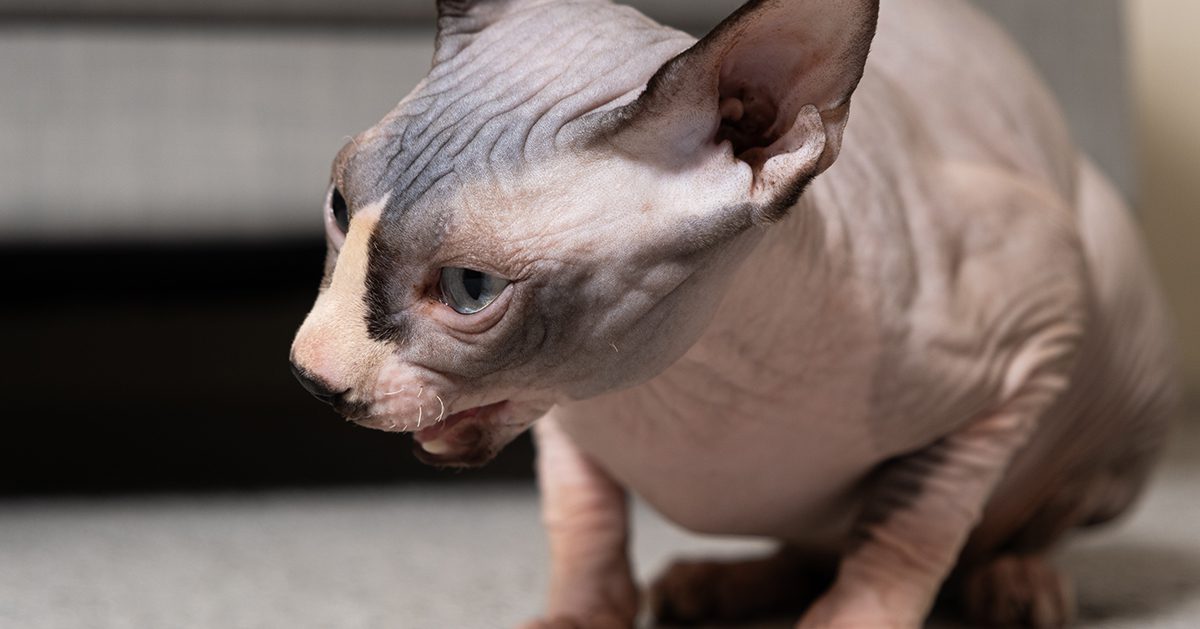
A coughing cat typically crouches low with the chest close to the floor, stretches the neck forward, and lowers the head. The sound can be a dry, repetitive hack or a softer, wet noise, and an episode may last a few seconds or continue in a series. Because the posture resembles the position cats take before bringing up a hairball, owners often wait for a hairball that never appears. Repeated cat coughing without any hairball is a strong sign the airways are involved, especially when the episodes return day after day.
Telling a Cough Apart From Similar Behaviors
A hairball episode usually ends with a tube-shaped wad of fur. Vomiting involves visible heaving of the belly and produces food or fluid. Sneezing comes from the nose and is often paired with nasal discharge. Gagging may follow swallowing something unusual. If you’re unsure what you’re seeing, a short phone video of the episode gives your veterinarian valuable information, since cats rarely cough on cue in the exam room. A clear recording of cat coughing at home can speed up the path to a diagnosis.
What Causes Cats to Cough?
Cat coughing has a range of possible triggers, and some are far more common than others.
- Feline asthma, also called allergic airway disease
- Viral or bacterial respiratory infections
- Lungworms and heartworms
- Inhaled irritants such as cigarette smoke, dusty or scented litter, aerosol sprays, and candles
- Foreign material like grass blades lodged in the airway
- Heart disease, which causes coughing less often in cats than in dogs
- Tumors or other growths in the lungs or airway, more common in older cats
Feline Asthma
Asthma is one of the leading causes of chronic cat coughing. It’s estimated to affect roughly 1 to 5 percent of cats and causes inflammation and narrowing of the small airways. Pollen, dust mites, mold, and household fragrances can all act as triggers, and cat coughing from asthma may flare seasonally. Some asthmatic cats have mild, occasional symptoms, while others experience sudden attacks that make breathing difficult and require emergency care.
Heartworm Disease in Cats
Many people think of heartworm as a dog problem, but cats get it too, and Maryland’s mosquito population makes the risk real for local pets. Indoor cats aren’t fully protected, since mosquitoes easily slip inside. In cats, even a few worms can trigger lung inflammation known as heartworm-associated respiratory disease, which can look a lot like asthma. There’s no approved treatment to clear heartworms from cats, so talk with your veterinarian about prevention.
When Does a Coughing Cat Need Veterinary Attention?
Any persistent cough deserves an exam, but certain signs mean your cat needs help right away.
Book an Appointment Soon If
Schedule a visit if the coughing lasts more than a few days, happens several times a week, or seems to be getting worse. Changes in appetite, energy, grooming habits, or weight alongside cat coughing also warrant a prompt checkup. Since cats mask illness so well, a cough that seems mild at home may reflect a condition that has been developing for some time. Kittens, senior cats, and cats with known health conditions have less reserve, so cat coughing in these groups deserves a faster response.
Signs of a Breathing Emergency
Contact your veterinarian immediately or head to an emergency hospital if your cat shows any of the following:
- Open-mouth breathing or panting
- Blue, purple, or gray gums or tongue
- Rapid breathing at rest or heavy effort from the belly with each breath
- Coughing fits that won’t stop
- Collapse, weakness, or hiding paired with extreme lethargy
Cats normally breathe through their noses, so open-mouth breathing is never a normal response to a cough. During business hours, call All Kinds Veterinary Hospital at (301) 994-9919 so our team can advise you on next steps.
How Is the Cause of a Cat’s Cough Diagnosed?
Because so many conditions can lead to cat coughing, veterinarians piece together the answer from your cat’s history, a physical exam, and targeted testing.
History and Physical Exam
Your veterinarian will want to know how often the cough happens, what time of day it tends to occur, and whether anything at home has changed, such as a new litter, air freshener, or pet. Questions about outdoor access, parasite prevention, and other symptoms help narrow the possibilities. Using a stethoscope, your doctor listens for wheezes, crackles, or a heart murmur, and also checks your cat’s breathing pattern, temperature, and overall condition.
Diagnostic Testing
Chest X-rays are often the first test, since they can reveal airway changes typical of asthma, signs of pneumonia, fluid, an enlarged heart, or masses. Bloodwork evaluates overall health and may show elevated eosinophils, a type of white blood cell associated with allergies and parasites. Heartworm tests and specialized fecal tests screen for parasites. When heart disease is suspected, an echocardiogram provides a detailed look at heart structure and function. In some cases, your veterinarian collects a sample of fluid and cells from the airways under anesthesia, which can confirm inflammation or infection. Advanced imaging such as a CT scan may be recommended through a referral for complex cases. Not every cat needs every test, so your veterinarian tailors the workup to your cat’s symptoms, age, and history.
How Your Veterinarian Treats a Cough in Cats
Treatment for cat coughing depends entirely on the underlying cause, which is why an accurate diagnosis comes first.
Cats with asthma often receive anti-inflammatory medication and, when needed, airway-opening medication, sometimes delivered through an inhaler fitted with a mask and spacer designed for cats. Bacterial infections may call for antibiotics, while parasites are addressed with appropriate dewormers. Heart conditions require cardiac medications and regular monitoring. If a foreign object or growth is responsible, a procedure to remove it or a referral to a specialist may be the next step. Cats struggling to breathe may first need hospitalization with oxygen support until they stabilize. Your veterinarian may also suggest changes at home, such as switching to an unscented, low-dust litter or limiting smoke and fragrances near your cat.
Many conditions behind a chronic cough, including asthma, are managed over a lifetime rather than cured, so recheck visits help the care team fine-tune the plan. Follow-up X-rays, medication adjustments, and conversations about how your cat is doing at home all play a role. Tracking how often cat coughing episodes happen between visits, along with any phone videos, gives your veterinarian a clearer picture of progress. Never give your cat human cough or cold medicine, as many of these products are toxic to cats. If cat coughing has you concerned, our team at All Kinds Veterinary Hospital in Callaway is here to find answers. Call (301) 994-9919 to schedule an exam.
Recent Posts
About Us
At All Kinds Veterinary Hospital, we believe in more than just keeping pets healthy—we’re dedicated to being your lifelong partner in your companion’s care. From routine check-ups to unexpected concerns, we’re here to be your first call and your trusted resource.